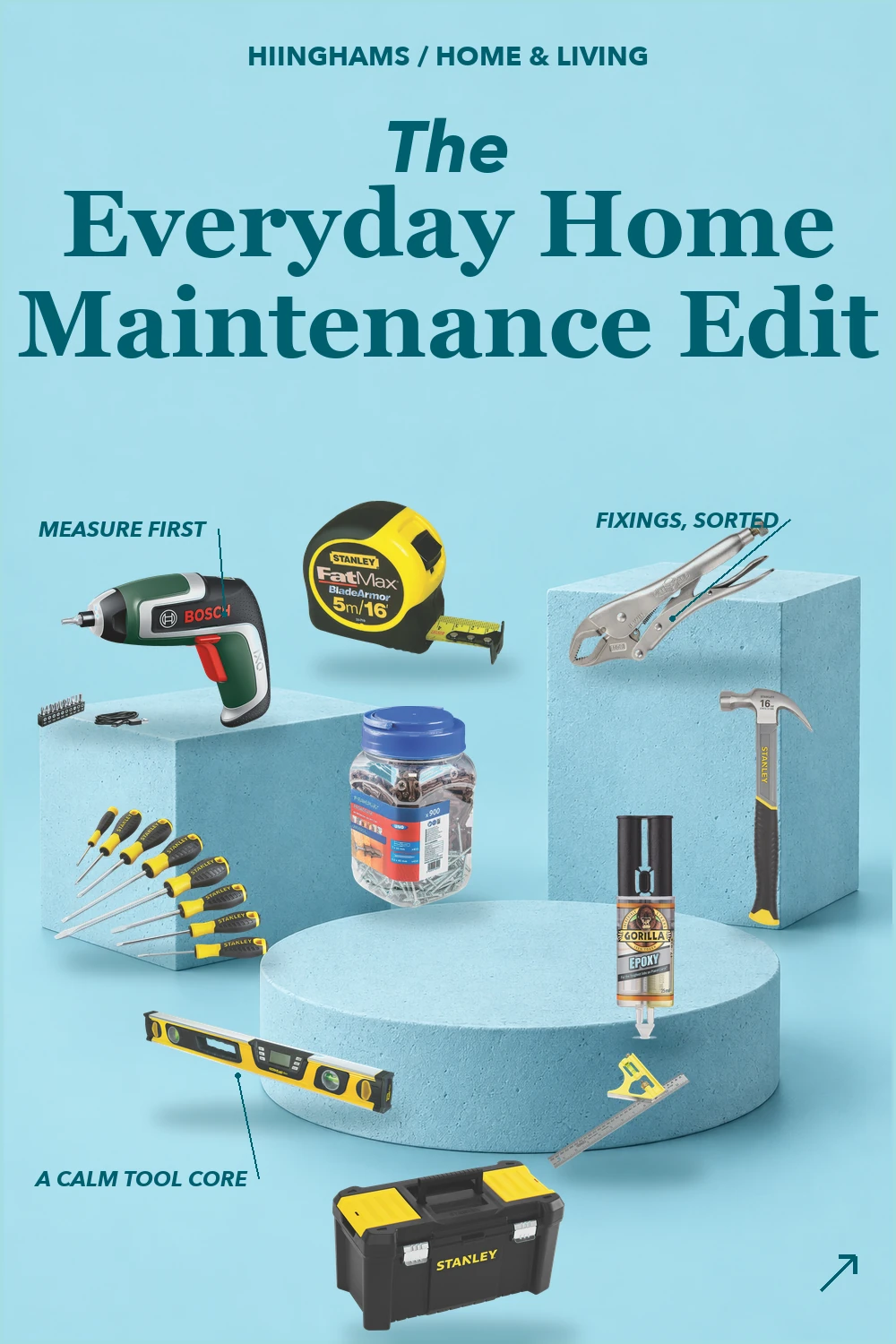
A useful home-maintenance kit should cover the small jobs that recur—measuring, tightening, fixing and storing—without pretending every repair is a DIY project. This edit keeps the core deliberate, with tools chosen for everyday adjustments and clear limits where a qualified professional is the better call.
This guide contains affiliate links. If you buy through them, Hiinghams may earn a commission at no extra cost to you.
The quick take
Start with measuring
A tape and square prevent most small-job guesswork before you drill, cut or order.
Keep fixings matched
Use the correct fixing for the wall and load; do not assume one plug suits every substrate.
Know when to pause
Stop for electrical, gas, structural, plumbing or uncertain load-bearing work and use a qualified professional.
Recommendations
How to choose
Buy for the jobs you actually face. A good tape, a modest set of drivers and a stable storage box will earn their space before specialist equipment does. Match any fixings to the wall material and the intended load, check instructions for adhesives, and never use household tools to improvise electrical, gas, structural or safety-critical repairs.
The best maintenance kit stays small enough to put back after use. Keep the common tools together, label the fixings, replace consumables when they run out, and call a professional when the risk or uncertainty rises.
The shopping list
10 things, well chosen.
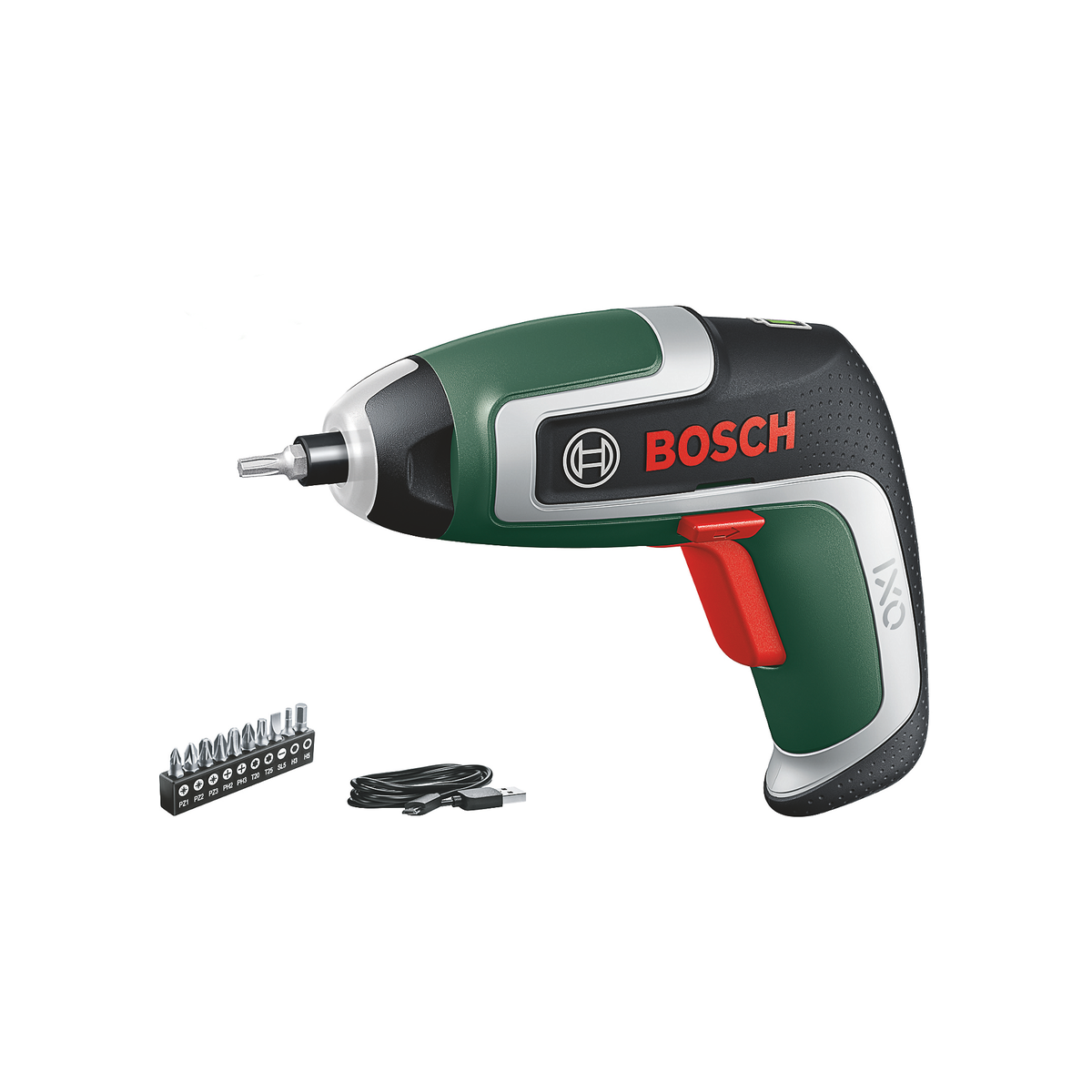
Bosch IXO 7 3.6V 1 x 2.0Ah Li-Ion Cordless Screwdriver
A compact powered driver for flat-pack adjustments and repeated small screws.
Browse matches on Amazon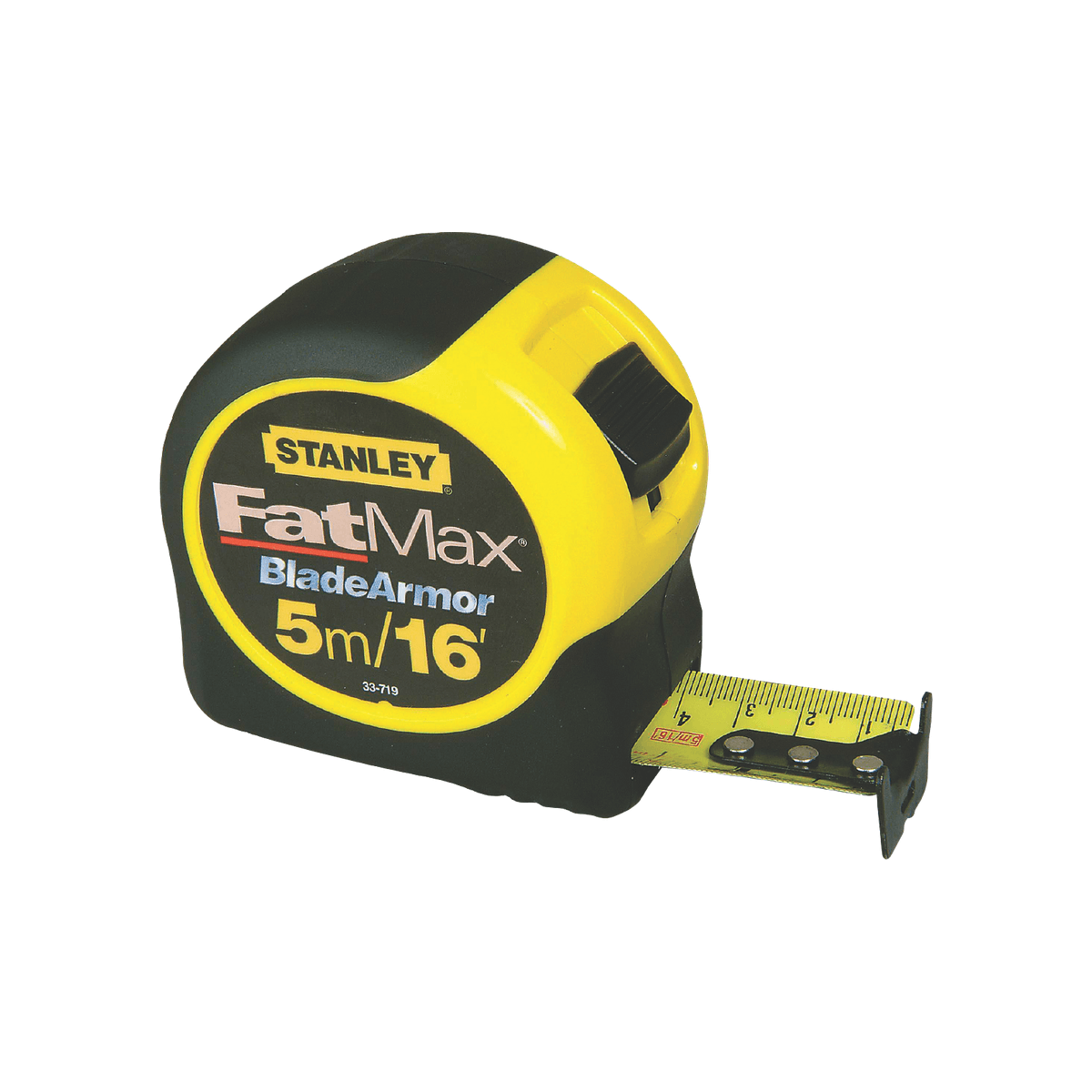
Stanley FatMax 5m Tape Measure
A durable, readable tape for measuring before drilling, ordering or rearranging.
Browse matches on Amazon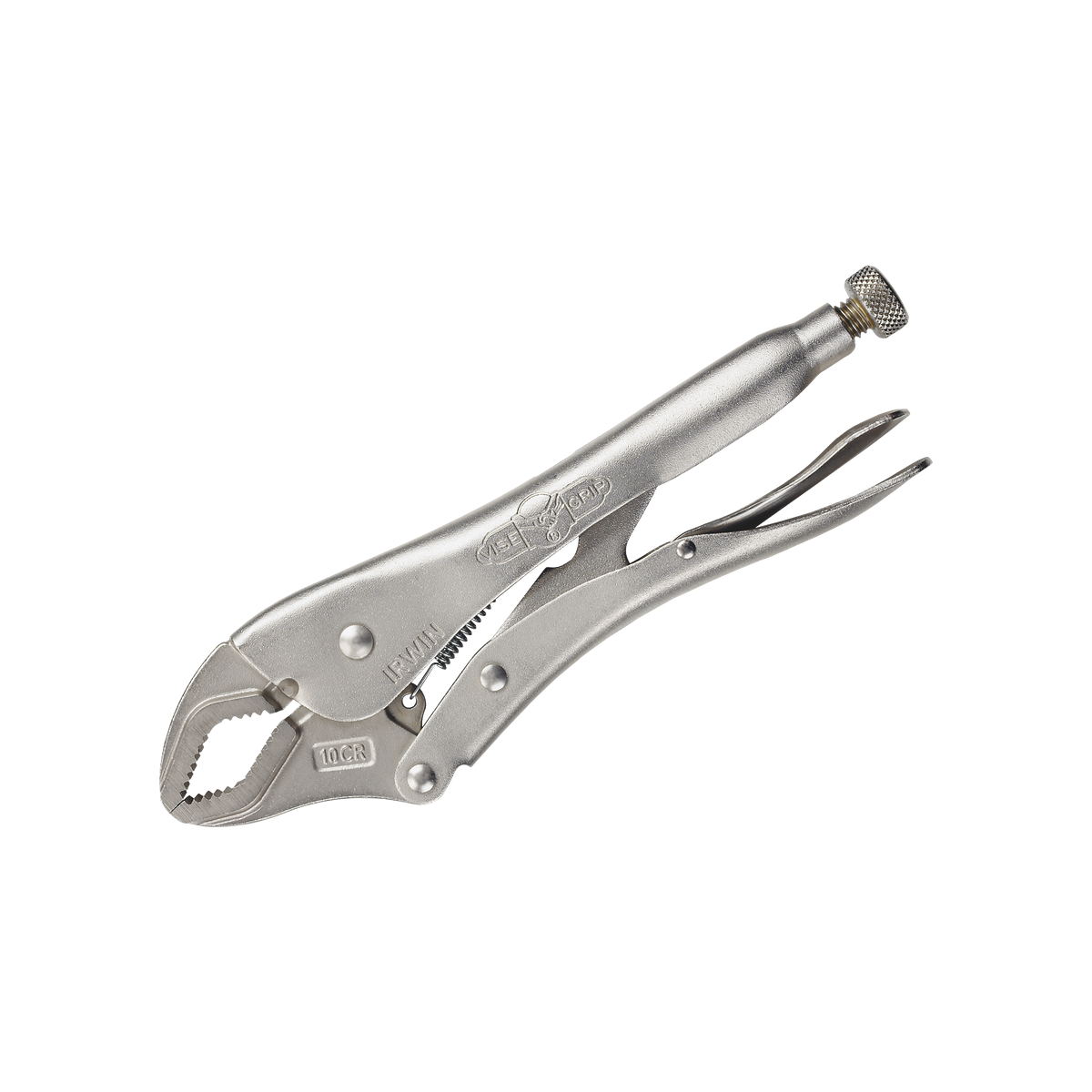
Irwin Vise-Grip 10WR Curved Jaw Locking Pliers 10in
Locking jaws add controlled grip for stubborn fittings when an ordinary plier slips.
Browse matches on Amazon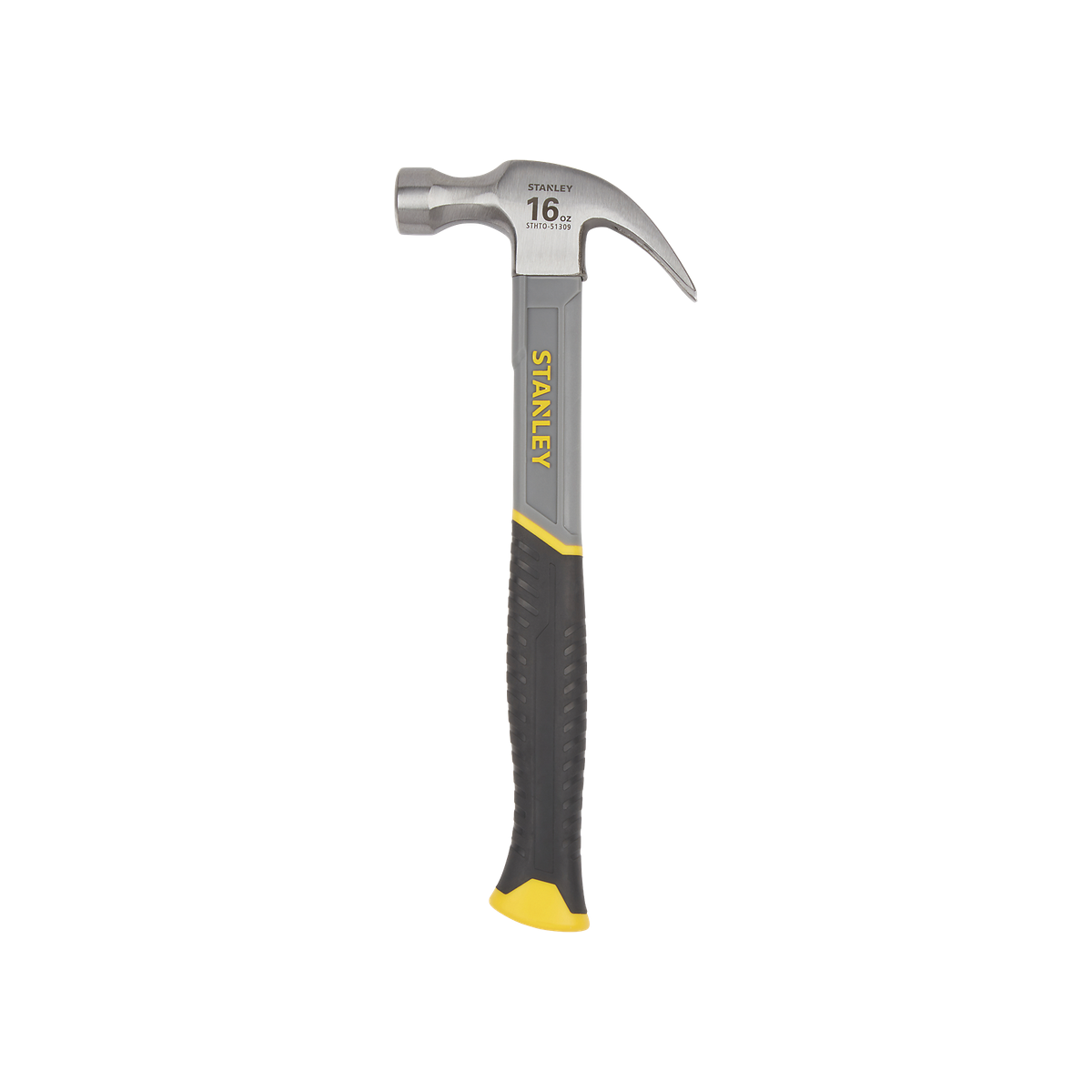
Stanley Fibreglass Claw Hammer 16oz
A balanced everyday hammer for small picture hooks, pins and light repairs.
Browse matches on Amazon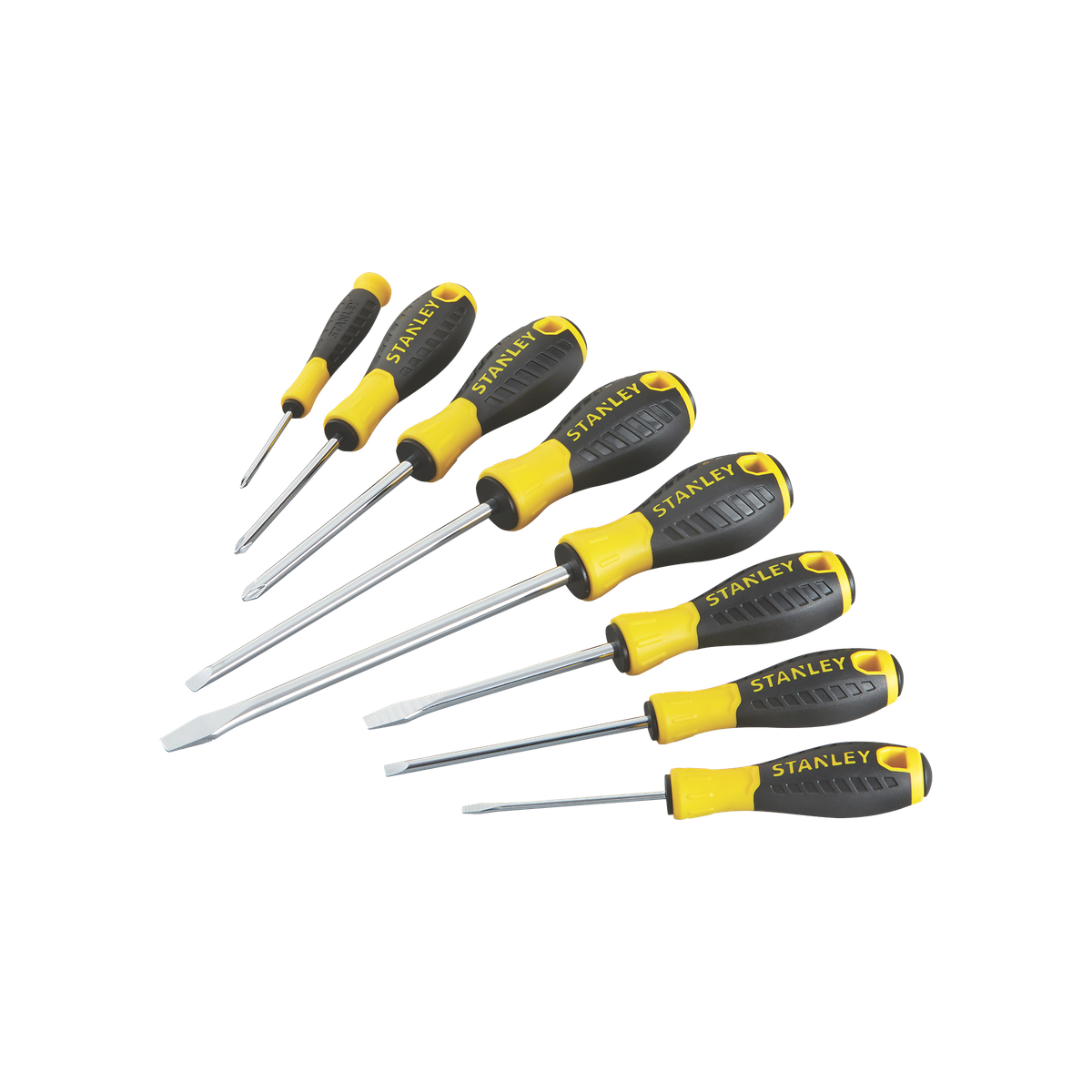
Stanley Mixed Screwdriver Set 8 Pieces
A sensible spread of slotted and Phillips drivers for common household fittings.
Browse matches on Amazon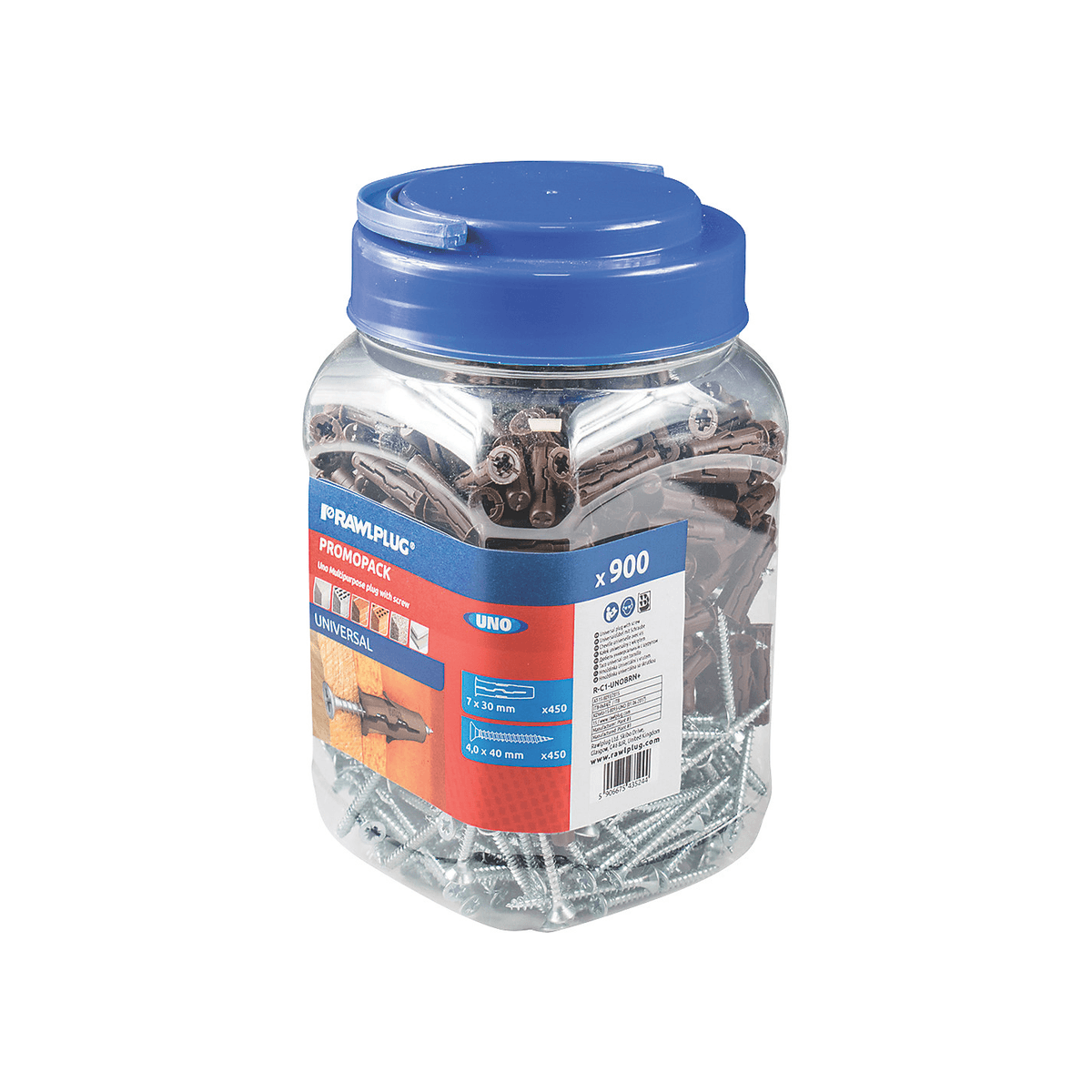
Rawlplug Uno Wall Plugs and Screws 7mm x 30mm 450 Pack
A labelled supply of matched plugs and screws for suitable masonry and plasterboard jobs.
Browse matches on Amazon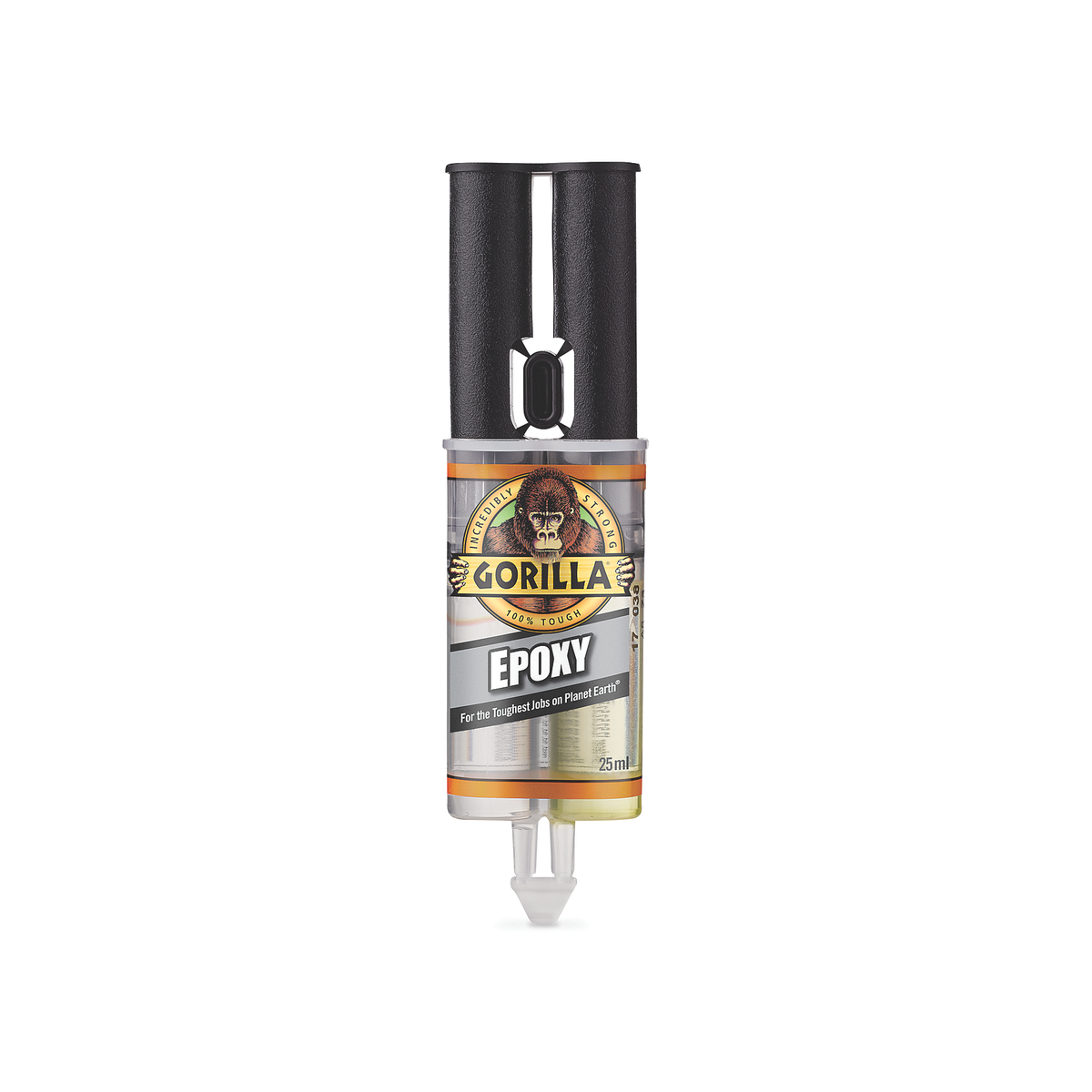
Gorilla Glue Epoxy Adhesive Clear 25ml
A two-part clear epoxy for small, compatible repairs where a stronger bond is appropriate.
Browse matches on Amazon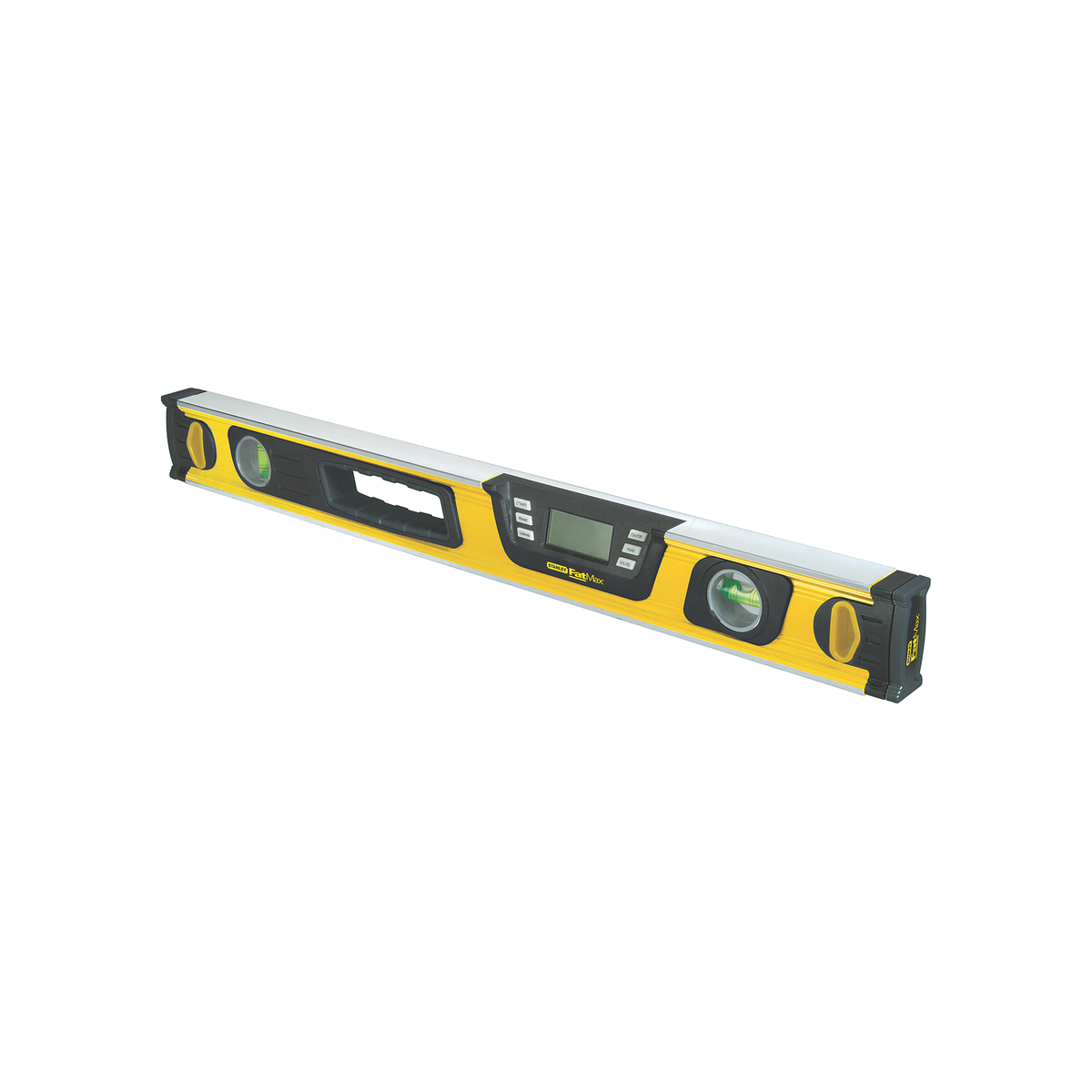
Stanley FatMax Digital Spirit Level 600mm
A clear level for shelves, frames and other jobs where a straight reference matters.
Browse matches on Amazon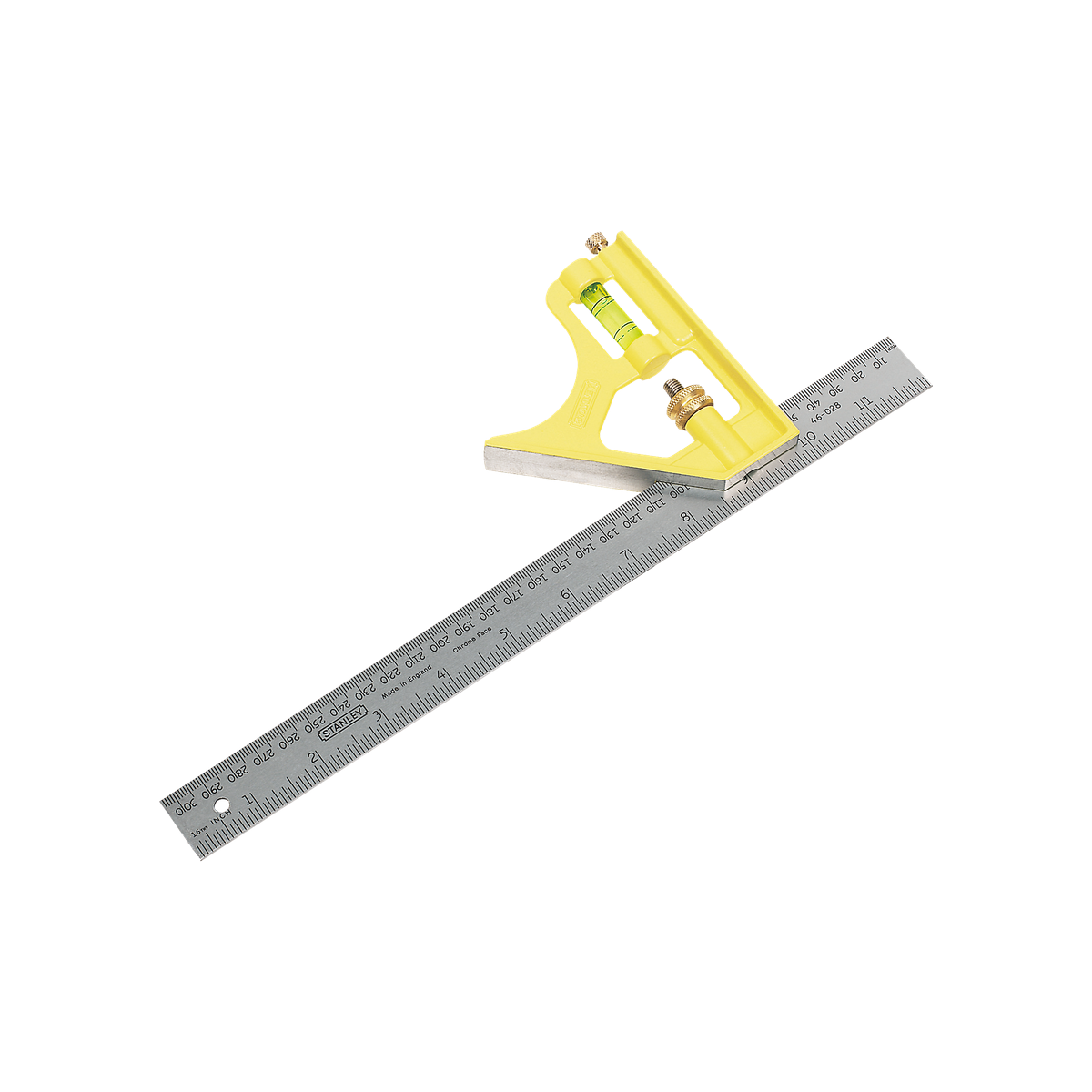
Stanley Combination Square 300mm
A useful marking and right-angle check before making a small cut or fixing.
Browse matches on Amazon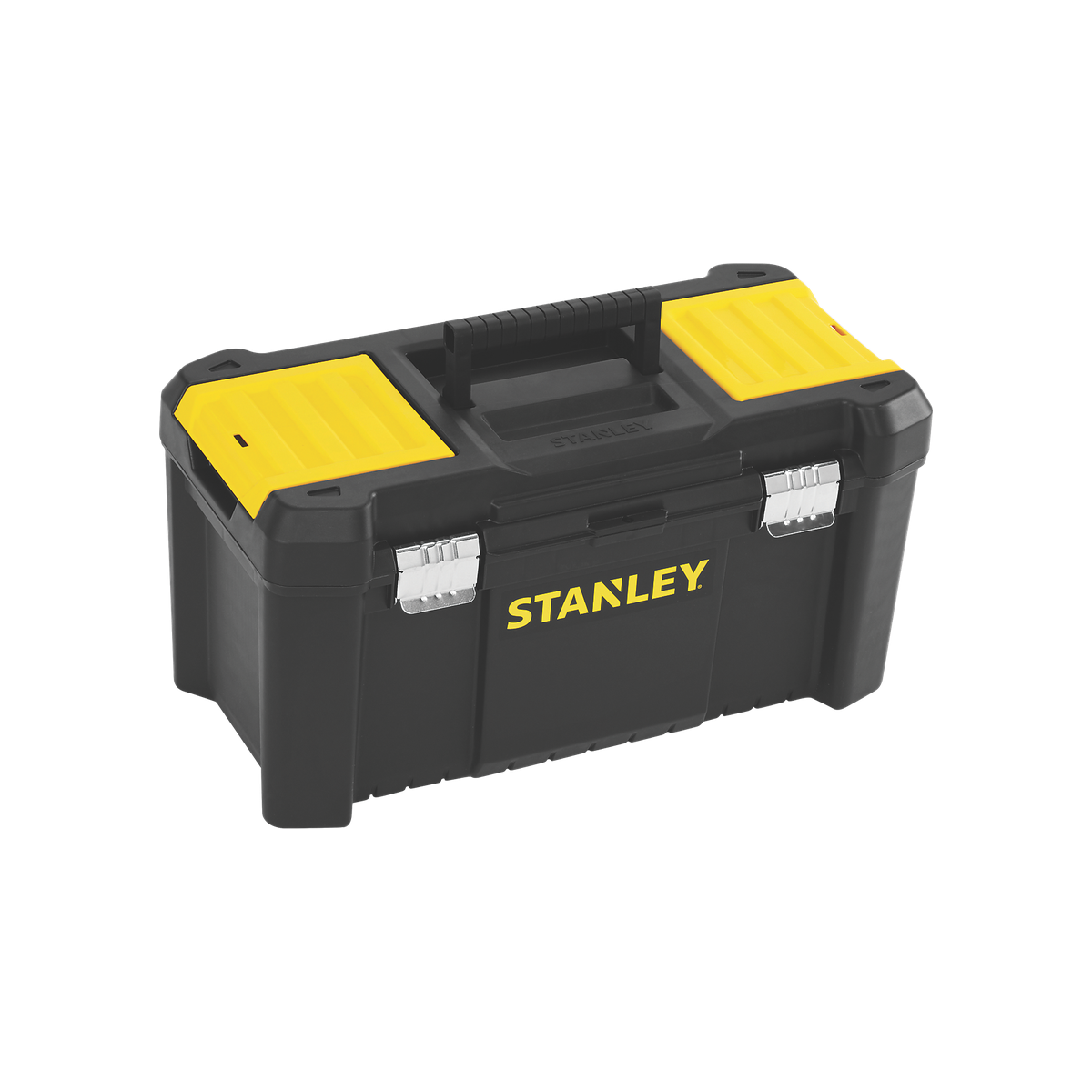
Stanley Tool Box 19in 2 Pieces
A compact, portable home for the repair core and its smaller fixings.
Browse matches on Amazon