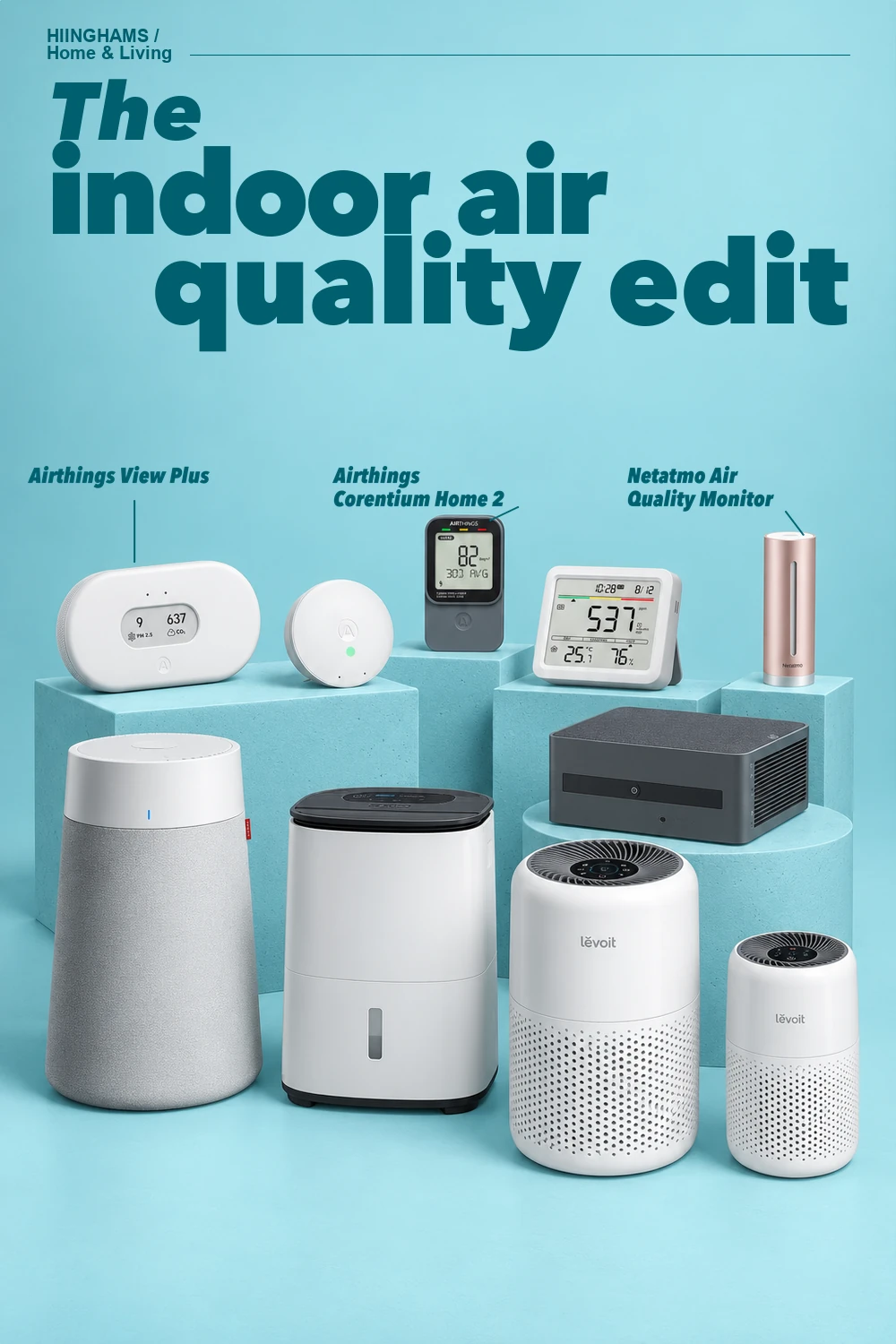
Indoor air quality is easier to improve when you separate measurement from action. A good setup starts with a monitor that shows carbon dioxide, particles, humidity or radon, then adds the right tool for the problem: ventilation, filtration or moisture control. These ten exact products cover bedrooms, living spaces, home offices and damp-prone rooms without turning the house into a lab.
This guide contains affiliate links. If you buy through them, Hiinghams may earn a commission at no extra cost to you.
The quick take
Measure first
Use a monitor to identify whether the issue is stale air, particles, humidity, VOCs or radon before buying another appliance.
Match the room
Compact monitors suit bedrooms and offices; larger purifiers and dehumidifiers need enough clearance and capacity for the space.
Plan for upkeep
Check filter replacement costs, app requirements, power use and where the device will live before choosing.
Recommendations
How to choose
Start with the problem you can actually measure. Carbon-dioxide readings can help identify when a room needs ventilation; particle and VOC readings help track airborne changes; humidity readings reveal when moisture control deserves attention; and radon needs a dedicated monitor. Then match the response to the room. A purifier needs the right capacity and clear airflow, while a dehumidifier needs enough extraction for the space. Before choosing, check filter availability, app requirements, noise settings and the permanent footprint of the device.
A useful indoor-air setup stays simple: measure the room, act on the specific issue and review the readings over time. One dependable monitor and one well-matched response usually give you more clarity than a shelf of disconnected devices.
The shopping list
10 things, well chosen.
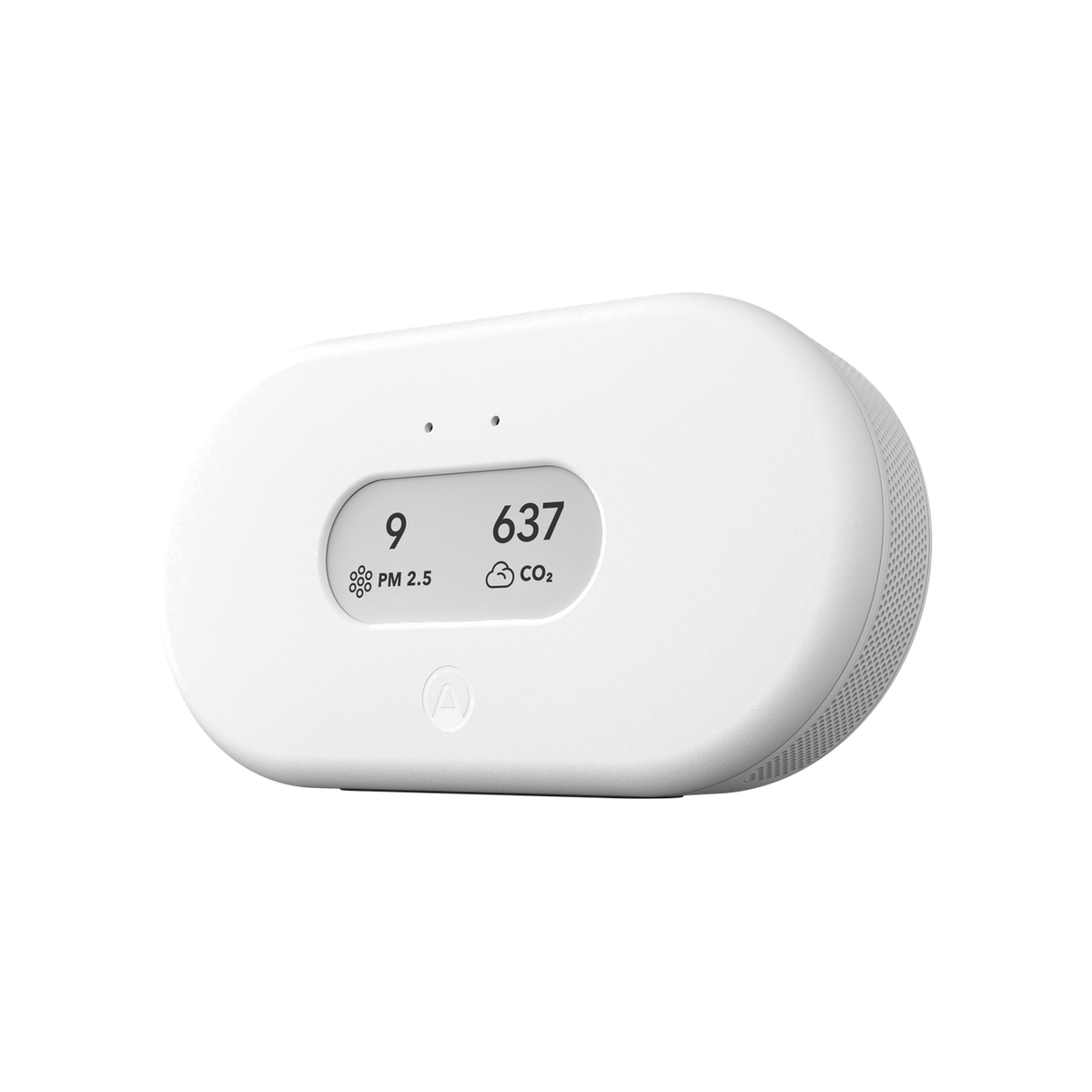
Airthings View Plus
A seven-sensor indoor-air monitor with an on-device display for radon, particulate matter, carbon dioxide, VOCs, humidity, temperature and air pressure.
Browse matches on Amazon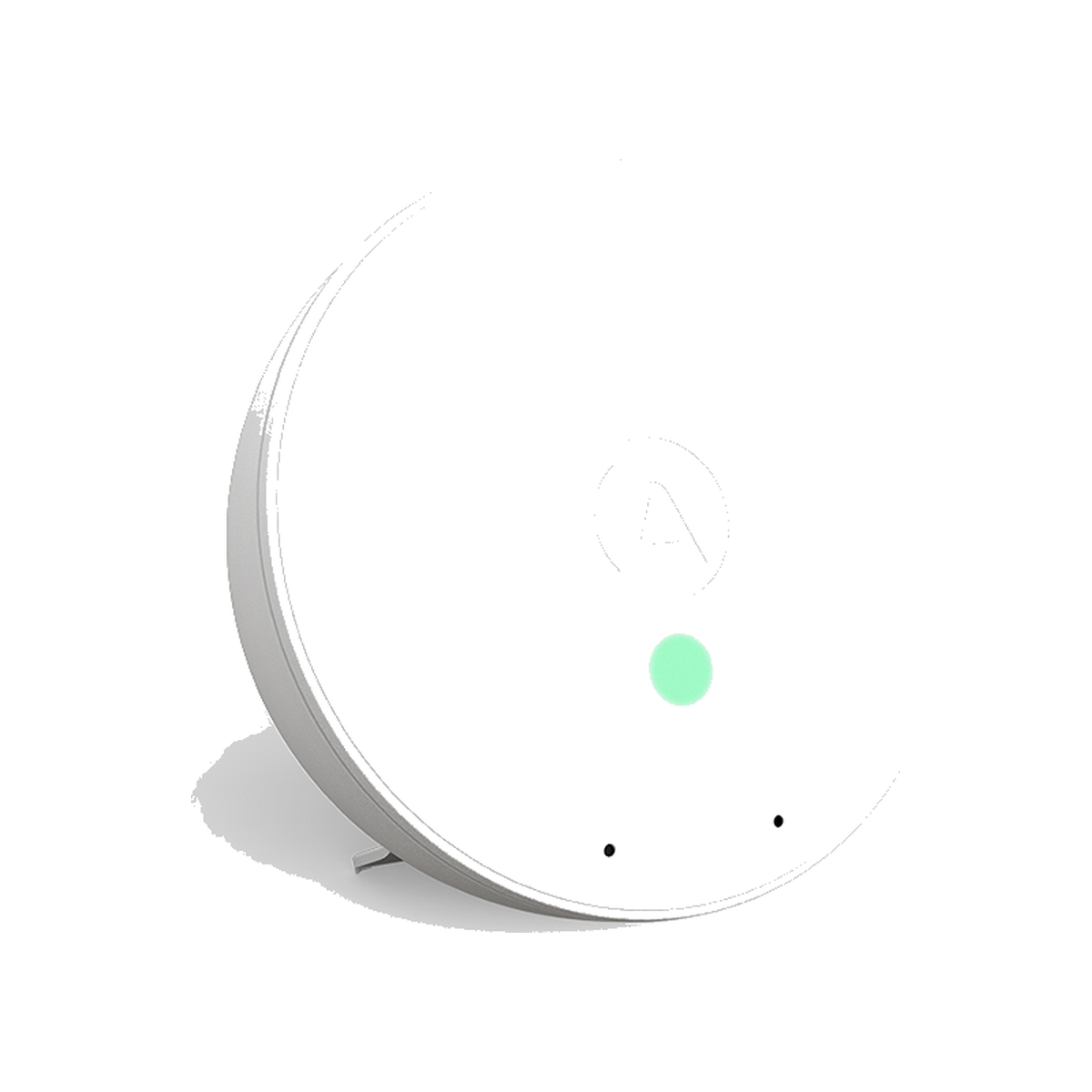
Airthings Wave Mini
A compact battery-powered monitor for VOCs, humidity and temperature, with a mould-risk indication in the Airthings app.
Browse matches on Amazon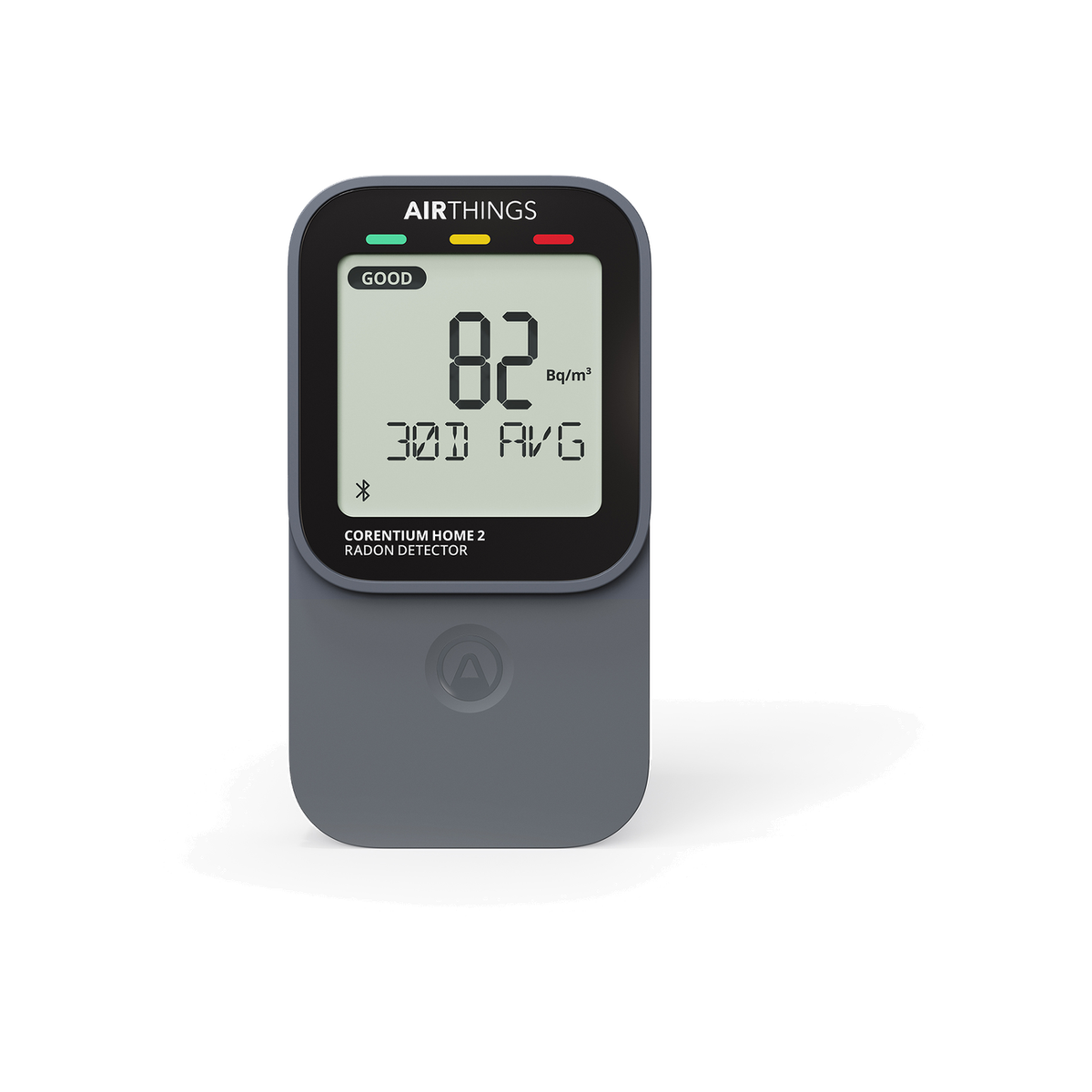
Airthings Corentium Home 2
A portable radon monitor with temperature and humidity readings available on its screen and in the companion app.
Browse matches on Amazon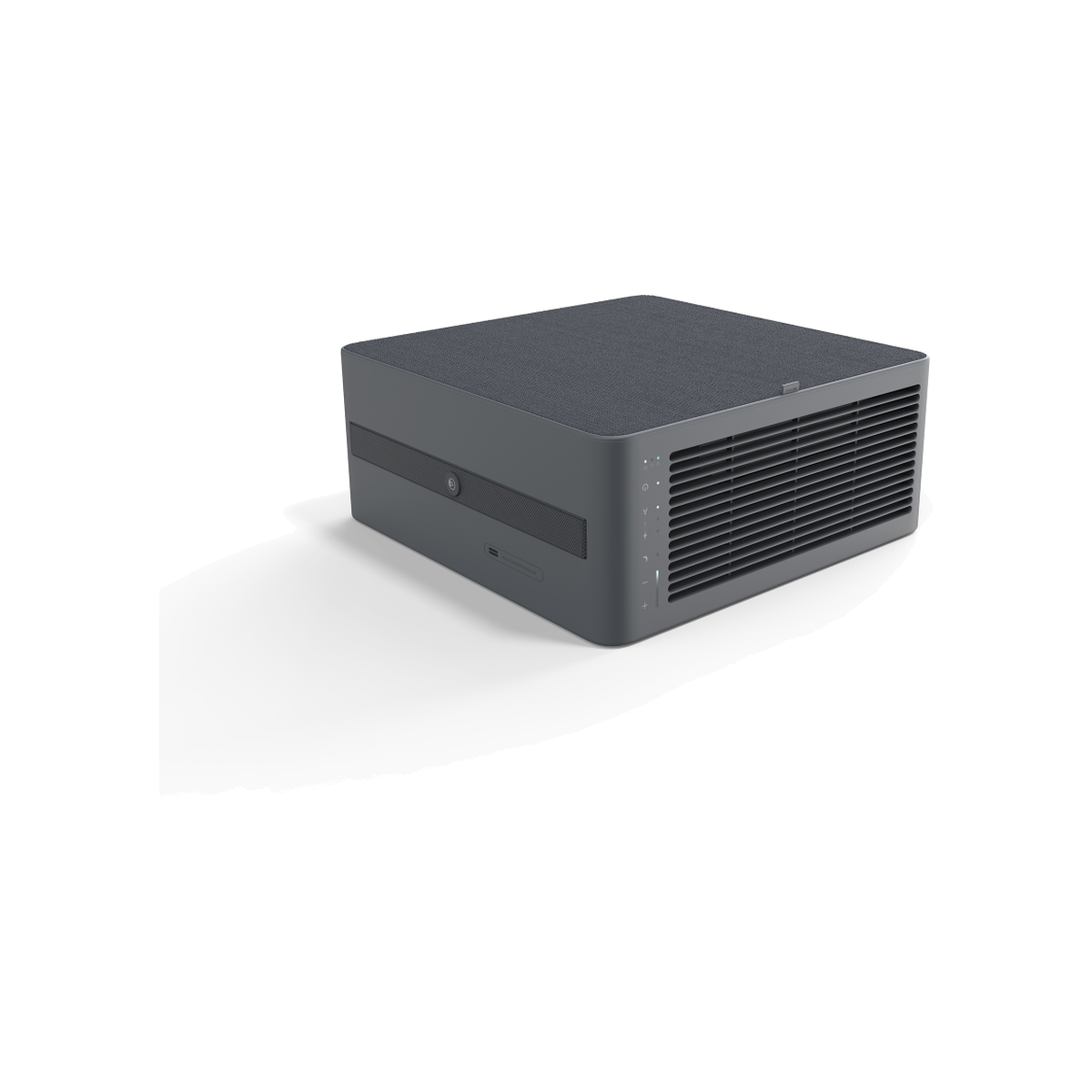
Airthings Renew Air Purifier
A bedroom-oriented purifier with HEPA-13 and activated-carbon filtration, app control, auto mode and a low-noise silent setting.
Browse matches on Amazon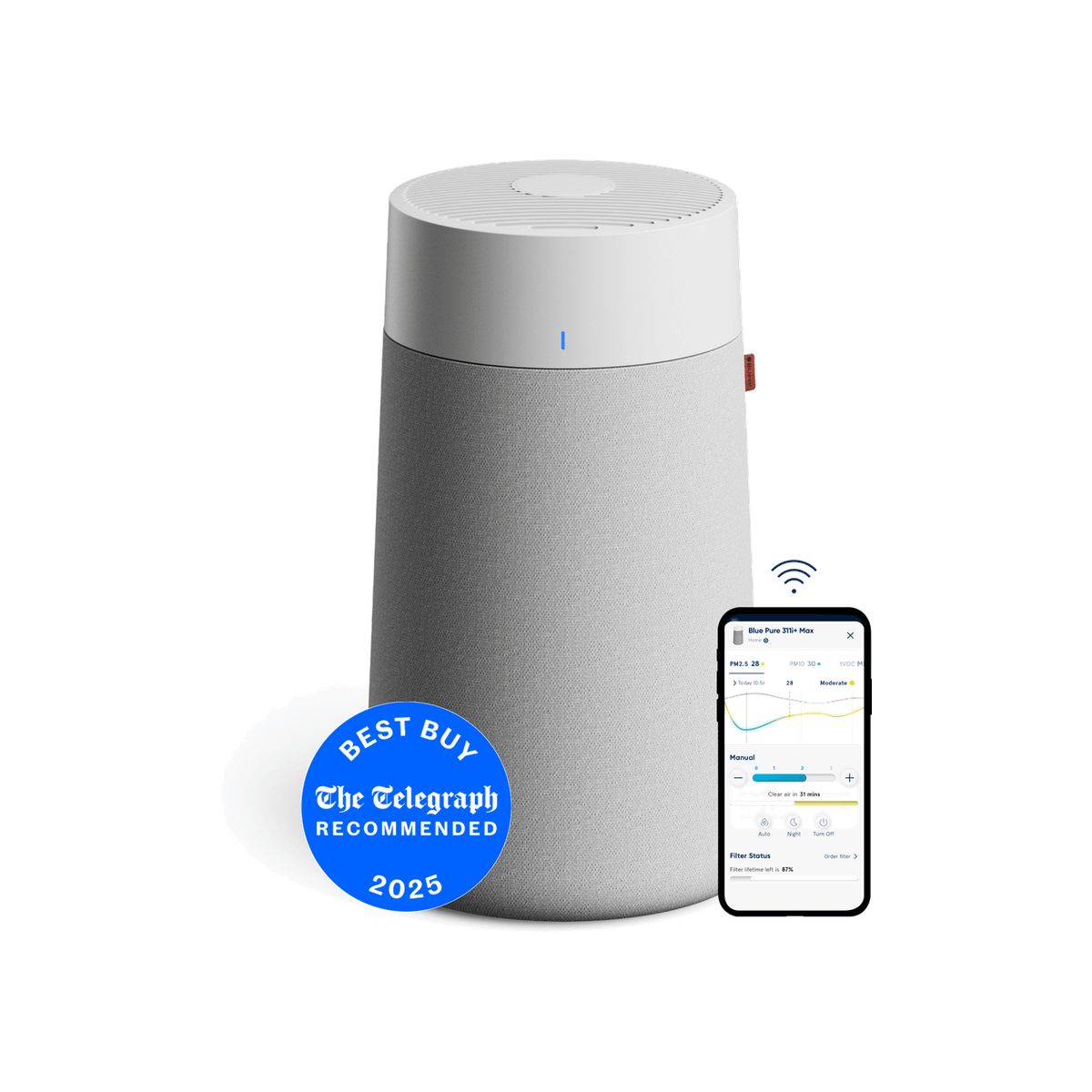
Blueair Blue Max 3250i
A compact smart purifier with a washable pre-filter, particulate monitoring and app controls for bedrooms and home offices.
Browse matches on Amazon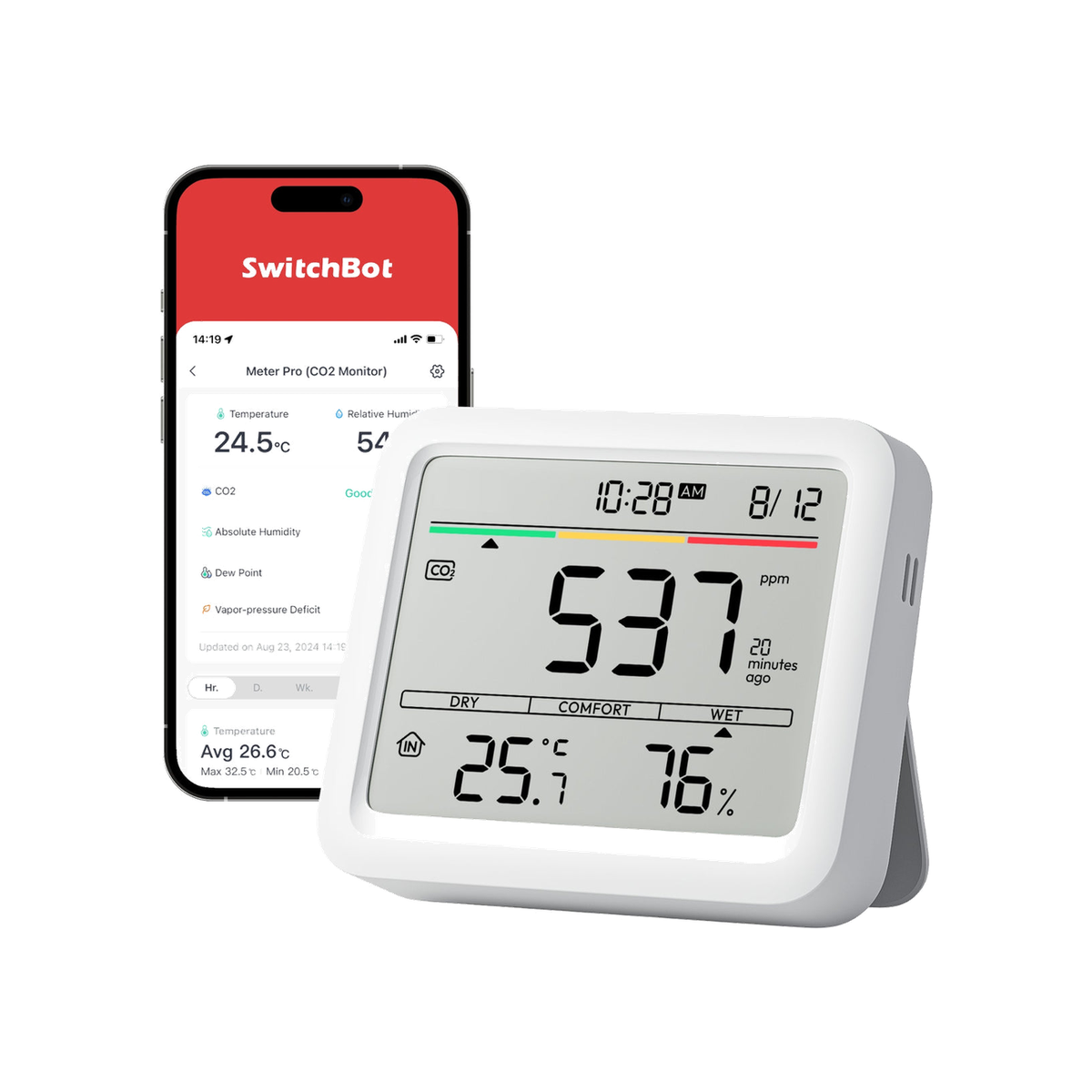
SwitchBot Meter Pro CO2 Monitor
A five-in-one desktop display for carbon dioxide, temperature, humidity, time and comfort status, with configurable alerts and app history.
Browse matches on Amazon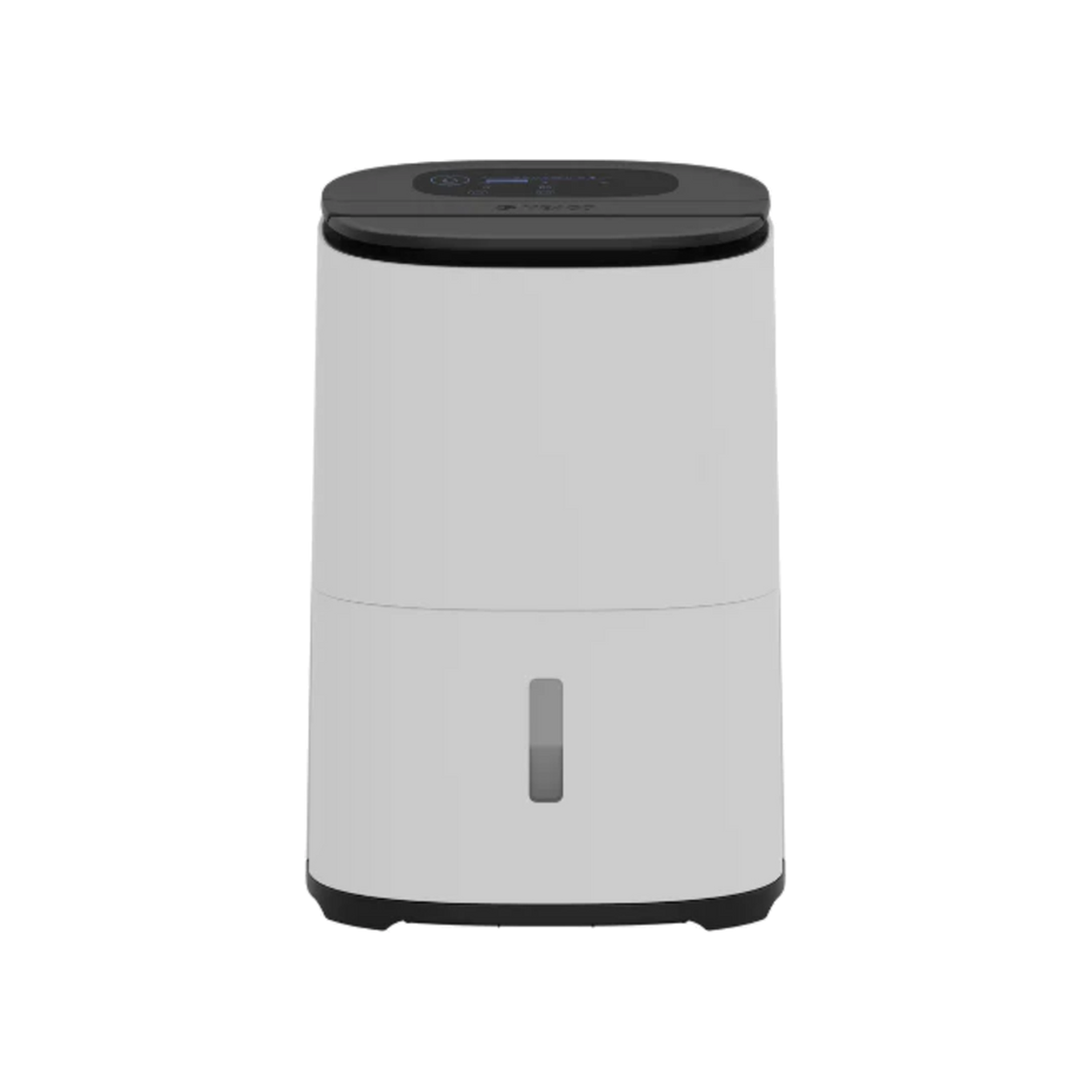
MeacoDry Arete Two 12L Dehumidifier & Air Purifier
A 12-litre dehumidifier for moisture-prone UK rooms that also includes a HEPA air-purifier mode and smart controls.
Browse matches on Amazon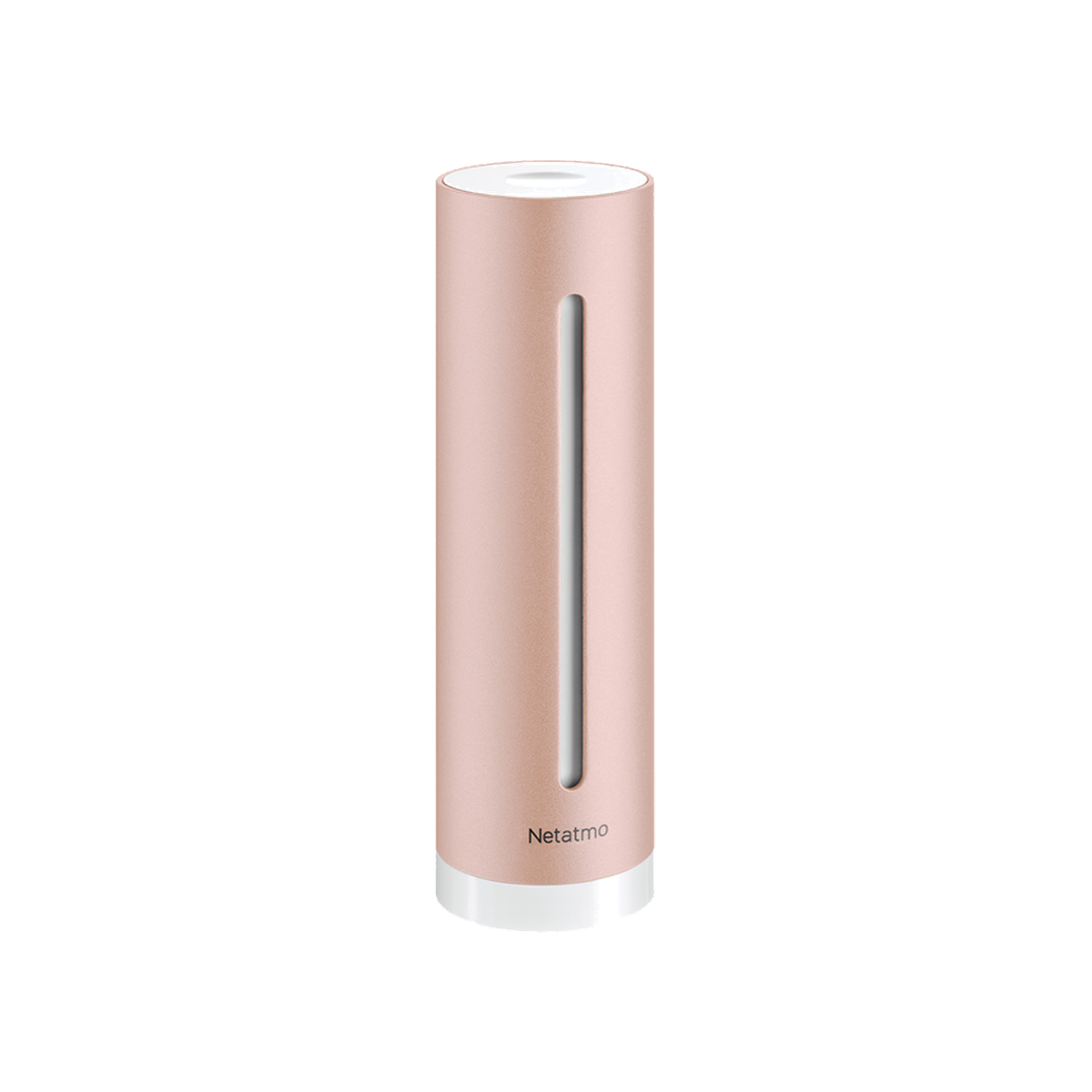
Netatmo Smart Indoor Air Quality Monitor
A connected monitor that tracks carbon dioxide, temperature, humidity and noise, with readings and alerts in the Netatmo app.
Browse matches on Amazon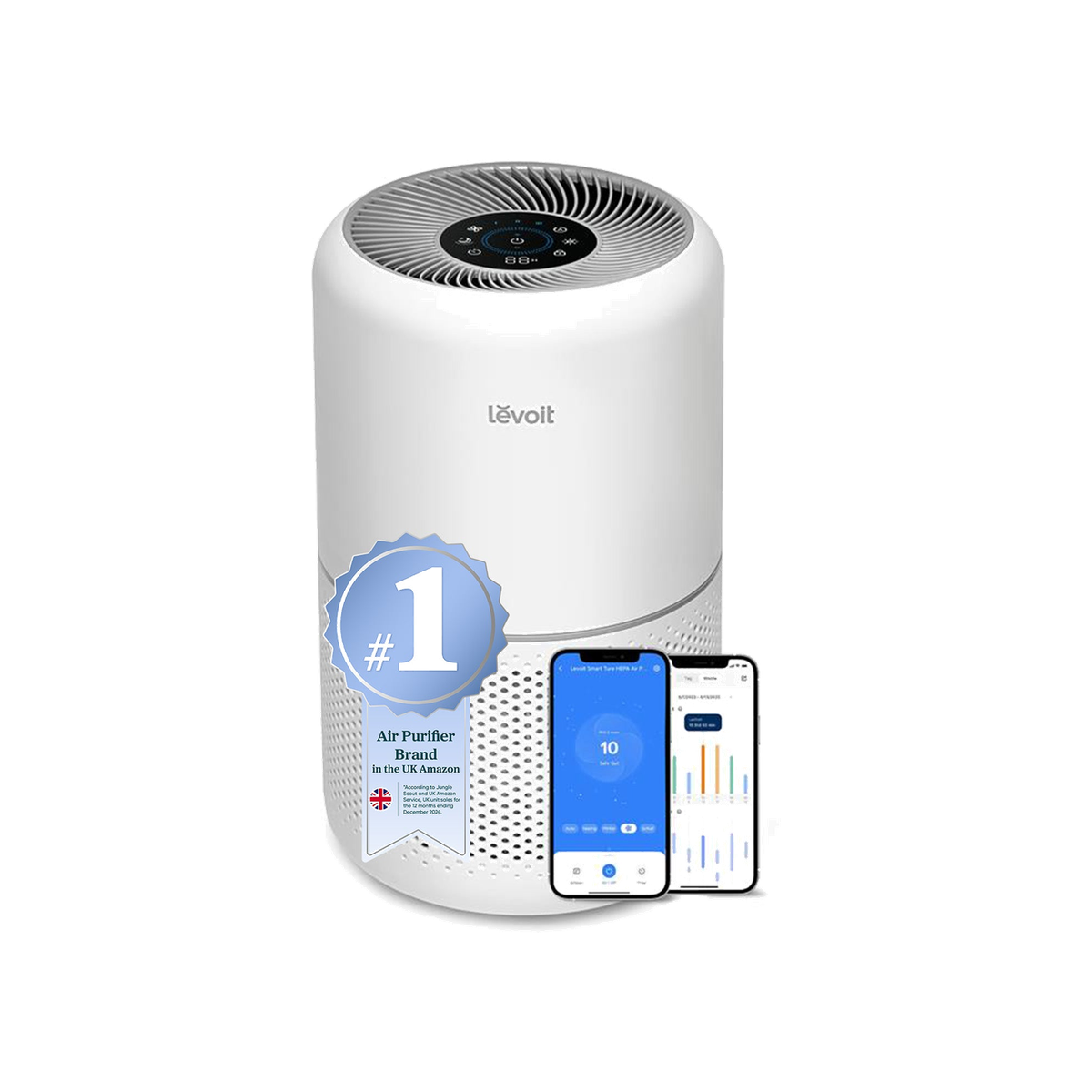
Levoit Core 300S Smart Air Purifier
A compact smart purifier with a three-stage filter, particulate sensor, automatic mode and VeSync app controls.
Browse matches on Amazon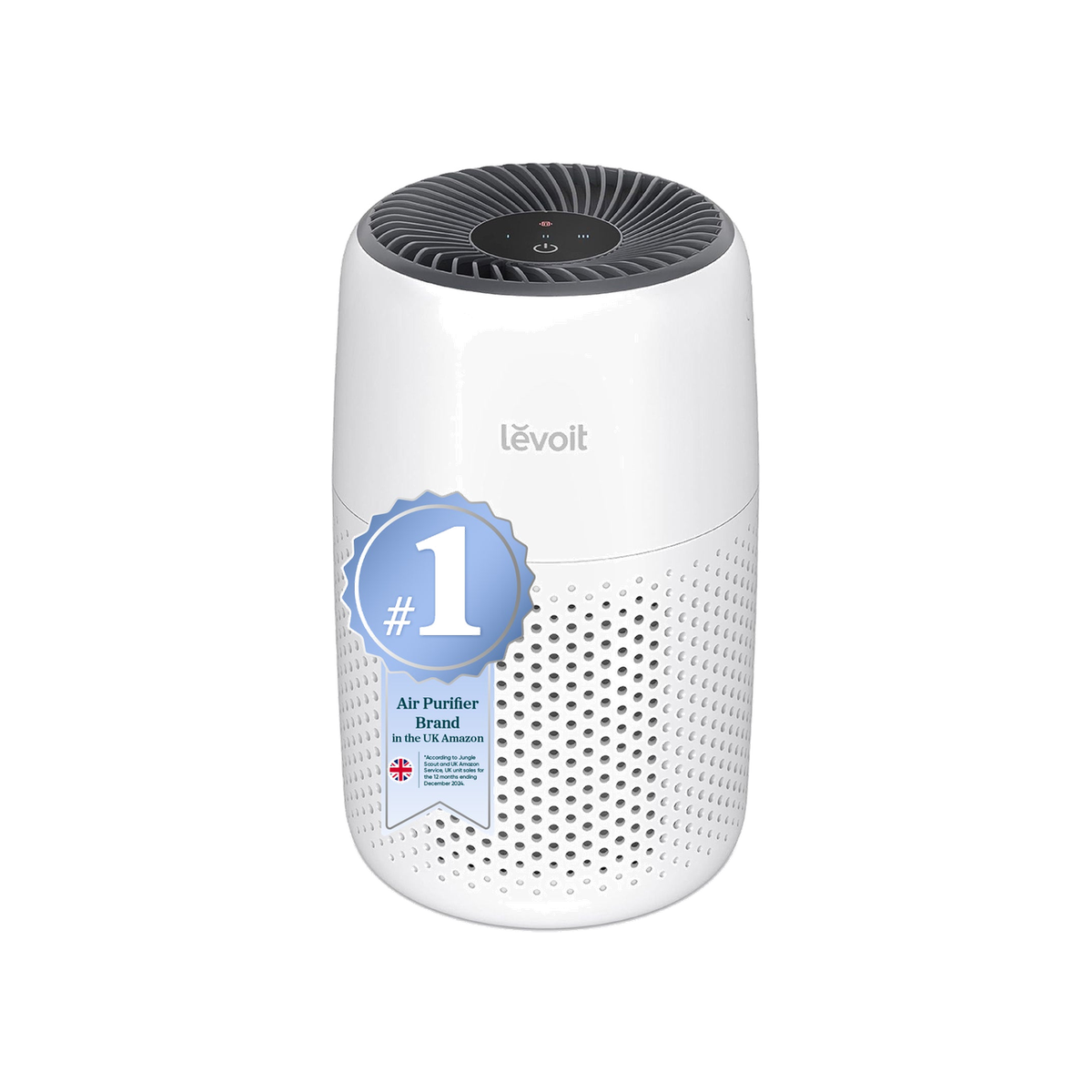
Levoit Core Mini Air Purifier
A straightforward compact purifier sized for a desk, bedside table or other small room where a larger appliance would be intrusive.
Browse matches on Amazon